Planning
When to travel: reading Kenya's seasons honestly
Green season, dry season and the weeks in between — what actually changes on the ground, and why the 'best time' depends more on what you want to see than on a calendar.
Conservation · 8 min · January 2026
Land leased from the families who own it, bed-night fees that fund those leases, and rules set locally rather than nationally. A plain explanation of the model.
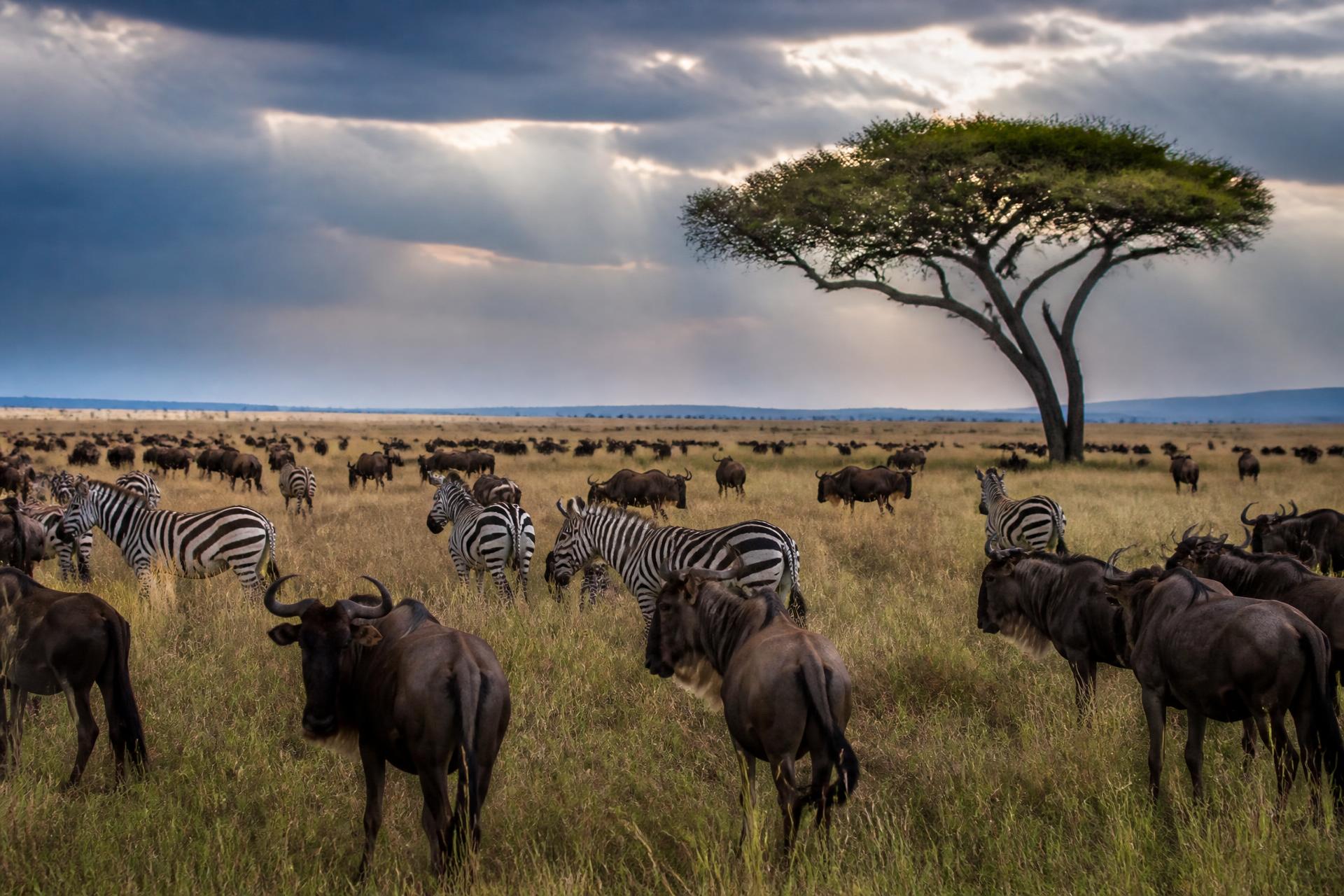
A national park is state land with public access and national rules. A conservancy is something quite different: privately or communally owned land where the owners have agreed to set it aside for wildlife, and where a small number of camps pay for the privilege of operating there.
That difference is why conservancies feel the way they do. Vehicle numbers are capped, off-road driving may be permitted, night drives and walking are often possible, and horses are sometimes allowed where they never would be in a park.
Camps pay a lease to the landowning families, plus a bed-night conservation fee for every guest, every night. Those payments are the entire economic argument for keeping the land open rather than fenced, ploughed or subdivided.
It is a simple and quite fragile arrangement. When occupancy falls, lease payments become hard to sustain, which is why low-season travel matters more than it sounds.
Riding among wildlife requires permission that is granted locally, animal by animal and season by season. Conservancies can give that permission; parks generally cannot.
It also means access can be withdrawn. A conservancy that allows riding this year may restrict it next year after a change in grazing pressure or a difficult encounter. We check current permission for your dates rather than relying on last season's arrangement.
Who owns this land? How many beds does the conservancy allow per acre? What proportion of the fee reaches the landowners? A good camp answers all three without hesitation.
Planning
Green season, dry season and the weeks in between — what actually changes on the ground, and why the 'best time' depends more on what you want to see than on a calendar.
Practical
Light-aircraft weight limits shape every fly-in safari. What to bring, what to leave in Nairobi, and why laundry solves most of it.
Family
Age guidance, drive lengths, camp choices and the small structural decisions that decide whether a family safari is restful or relentless.
Enquire
Your dates, your party, your pace. We reply with a written outline, not a booking form.
Concierge
Tell us how you ride, who is travelling and when. A designer replies personally — by WhatsApp, email or a call at your preferred hour.
Concierge replies within one working day, Nairobi and Gulf hours.